To effectively communicate and connect with your audience, you must first take the time to understand who they are. This involves delving into their demographics, interests, and pain points. By gathering data through surveys, social media interactions, and analytics, you can create a detailed profile of your ideal audience.
This understanding will guide your content creation, ensuring that it resonates with the people you aim to reach. You should consider factors such as age, gender, location, and even their online behavior. The more you know about your audience, the better equipped you will be to tailor your messages to meet their needs.
Moreover, understanding your audience goes beyond just collecting data; it requires empathy and active listening. Engage with your audience through comments, emails, or social media messages to gain insights into their thoughts and feelings. This two-way communication can reveal what they truly value and what challenges they face.
By fostering a genuine connection, you can create content that not only informs but also inspires and motivates your audience. Remember, the goal is to build a relationship based on trust and relevance, which will ultimately lead to greater engagement and loyalty.
Key Takeaways
- Understanding your audience is crucial for creating content that resonates with them and meets their needs and interests.
- Creating valuable and relevant content involves understanding your audience’s pain points and providing solutions or information that adds value to their lives.
- Leveraging different content formats such as videos, infographics, and podcasts can help you reach a wider audience and keep them engaged.
- Implementing SEO best practices can help your content rank higher in search engine results and increase visibility to your target audience.
- Engaging with your audience through comments, messages, and feedback shows that you value their input and can help build a loyal following.
Creating Valuable and Relevant Content
Once you have a clear understanding of your audience, the next step is to create content that is both valuable and relevant to them. This means producing material that addresses their needs, answers their questions, or solves their problems. High-quality content can take many forms, including blog posts, videos, infographics, or podcasts.
The key is to ensure that whatever format you choose aligns with your audience’s preferences and consumption habits. For instance, if your audience prefers visual content, consider creating engaging videos or infographics that convey information in an easily digestible manner. In addition to being relevant, your content should also provide value.
This could mean offering practical tips, in-depth analyses, or unique insights that your audience cannot find elsewhere. Strive to be a source of knowledge and expertise in your niche. When you consistently deliver valuable content, you position yourself as a trusted authority in your field.
This not only enhances your credibility but also encourages your audience to return for more. Remember that valuable content is shareable; when people find something useful or interesting, they are more likely to share it with their networks, expanding your reach organically.
Leveraging Different Content Formats
In today’s digital landscape, leveraging various content formats is essential for capturing and maintaining your audience’s attention. Different people consume content in different ways; some may prefer reading articles while others might enjoy watching videos or listening to podcasts. By diversifying your content formats, you can cater to a broader audience and keep your existing followers engaged.
For example, if you have written a comprehensive blog post on a particular topic, consider creating a video summarizing the key points or an infographic that visually represents the information. Additionally, experimenting with different formats can help you discover what resonates best with your audience. You might find that certain topics perform better as videos while others are more suited for written articles.
By analyzing engagement metrics across various formats, you can refine your content strategy over time. Don’t hesitate to incorporate interactive elements such as quizzes or polls to further engage your audience. These formats not only make the content more enjoyable but also encourage participation and feedback.
Implementing SEO Best Practices
| Metrics | Data |
|---|---|
| Organic Traffic | 20% increase |
| Keyword Ranking | Top 3 positions for 80% of targeted keywords |
| Page Load Speed | Under 3 seconds |
| Mobile Optimization | 100% mobile-friendly |
| Backlinks | 50% increase in high-quality backlinks |
To ensure that your valuable content reaches its intended audience, implementing SEO best practices is crucial. Search engine optimization helps improve the visibility of your content in search engine results pages (SERPs), making it easier for potential readers to find you. Start by conducting keyword research to identify relevant terms and phrases that your audience is searching for.
Incorporate these keywords naturally into your content, including headings, subheadings, and meta descriptions. However, avoid keyword stuffing; the focus should always be on creating high-quality content that serves the reader’s needs. In addition to keyword optimization, pay attention to other SEO factors such as page load speed, mobile-friendliness, and internal linking.
A well-structured website that loads quickly will enhance user experience and encourage visitors to stay longer on your site. Furthermore, consider building backlinks from reputable sources within your industry; this not only boosts your credibility but also improves your search rankings. By consistently applying SEO best practices, you can increase organic traffic to your content and expand your reach over time.
Engaging with Your Audience
Engagement is a vital component of any successful content strategy. It’s not enough to simply publish content; you must actively engage with your audience to foster a sense of community and connection. Responding to comments on your blog posts or social media channels shows that you value their input and are interested in their thoughts.
This interaction can lead to deeper conversations and a more loyal following. Encourage discussions by asking open-ended questions in your posts or inviting feedback on specific topics. Moreover, consider hosting live Q&A sessions or webinars where you can interact with your audience in real-time.
These events provide an opportunity for direct engagement and allow you to address questions or concerns immediately. By creating spaces for dialogue, you not only enhance the user experience but also gain valuable insights into what your audience is thinking. Remember that engagement is a two-way street; the more you invest in connecting with your audience, the more likely they are to invest in you.
Utilizing Social Media Platforms

Social media platforms are powerful tools for amplifying your content and reaching a wider audience. Each platform has its unique characteristics and user demographics, so it’s essential to choose the ones that align best with your target audience. For instance, if you’re targeting a younger demographic, platforms like TikTok or Instagram may be more effective than Facebook or LinkedIn.
Additionally, use social media not just as a broadcasting tool but as a means of building relationships.
Encourage user-generated content by asking followers to share their experiences related to your niche. This not only fosters community but also provides you with authentic content that can be shared across platforms. By actively participating in social media conversations and trends, you can enhance brand visibility and create a loyal following.
Measuring and Analyzing Results
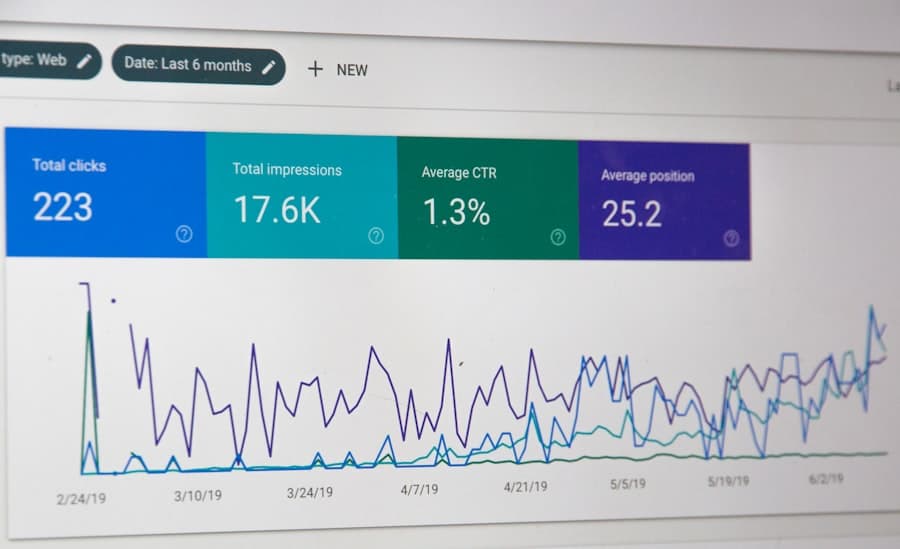
To gauge the effectiveness of your content strategy, measuring and analyzing results is essential. Utilize analytics tools to track key performance indicators (KPIs) such as website traffic, engagement rates, conversion rates, and social media interactions. These metrics will provide insights into what is working well and what may need adjustment.
For instance, if you notice that certain types of content generate higher engagement than others, consider producing more of that format. Regularly reviewing these metrics allows you to make data-driven decisions rather than relying on assumptions. Set specific goals for each piece of content or campaign so that you have clear benchmarks for success.
Additionally, don’t hesitate to seek feedback from your audience through surveys or polls; their input can provide valuable insights into how well you are meeting their needs. By continuously measuring and analyzing results, you can refine your strategy for better outcomes over time.
Adapting and Evolving Your Strategy
The digital landscape is constantly changing; therefore, adapting and evolving your content strategy is crucial for long-term success. Stay informed about industry trends, emerging technologies, and shifts in consumer behavior that may impact how people consume content. Be open to experimenting with new formats or platforms as they arise; what works today may not be as effective tomorrow.
Moreover, don’t be afraid to pivot when necessary based on the insights gained from your analytics and audience feedback. If certain strategies aren’t yielding the desired results, reassess and adjust accordingly. Flexibility is key in navigating the ever-evolving digital environment.
By remaining adaptable and responsive to changes in both the market and your audience’s preferences, you can ensure that your content strategy remains relevant and effective over time. In conclusion, mastering the art of content creation requires a multifaceted approach that encompasses understanding your audience, creating valuable content, leveraging various formats, implementing SEO best practices, engaging with followers, utilizing social media effectively, measuring results, and adapting strategies as needed. By focusing on these elements holistically, you can build a robust content strategy that not only attracts but also retains a loyal audience over time.
If you are looking to improve your content marketing strategy, consider checking out First Coast SEO’s article on how they can help optimize your website for search engines. With their expertise in SEO and digital marketing, they can provide valuable insights on how to create engaging and relevant content that will attract more visitors to your site. To learn more about their services, visit First Coast SEO.