When you embark on the journey of search engine optimization (SEO), the first step is to grasp the concept of keywords. Keywords are the phrases and terms that users type into search engines when looking for information, products, or services. Understanding these keywords is crucial because they serve as the bridge between what people are searching for and the content you provide.
By identifying the right keywords, you can tailor your content to meet the needs of your audience, ensuring that your website appears in relevant search results. To effectively utilize keywords, you must conduct thorough research. This involves using tools like Google Keyword Planner, SEMrush, or Ahrefs to discover which keywords are most relevant to your niche.
You should focus on a mix of short-tail and long-tail keywords. Short-tail keywords are typically one or two words long and have high search volumes but also high competition. Long-tail keywords, on the other hand, are more specific phrases that may have lower search volumes but often lead to higher conversion rates.
By strategically incorporating these keywords into your content, you can enhance your visibility and attract a targeted audience.
Key Takeaways
- Keywords are crucial for SEO as they help search engines understand the content of your website and match it with user queries.
- High-quality and relevant content is essential for engaging and retaining website visitors, as well as improving search engine rankings.
- A well-structured and easily navigable website not only enhances user experience but also helps search engines crawl and index your site more effectively.
- Building quality backlinks from reputable and relevant websites can significantly improve your website’s authority and search engine rankings.
- Leveraging social media and online communities can help increase brand visibility, drive traffic to your website, and improve search engine rankings.
Creating High-Quality and Relevant Content
Once you have a solid understanding of keywords, the next step is to create high-quality content that resonates with your audience. Quality content is not just about incorporating keywords; it’s about providing value.
Engaging content keeps visitors on your site longer, which signals to search engines that your site is valuable and relevant. To create compelling content, consider the needs and interests of your target audience. What questions do they have?
What challenges are they facing? By addressing these points, you can create articles, blog posts, videos, or infographics that not only attract visitors but also encourage them to share your content. Additionally, regularly updating your content can help maintain its relevance and keep your audience engaged.
Remember, the more valuable your content is, the more likely it is to be shared and linked to by others, further boosting your SEO efforts.
Optimizing Your Website’s Structure and Navigation
A well-structured website is essential for both user experience and SEO. When visitors land on your site, they should be able to navigate easily and find the information they need without frustration. A clear and logical structure not only helps users but also allows search engines to crawl your site more effectively.
Start by organizing your content into categories and subcategories that make sense for your audience. In addition to a logical structure, pay attention to your website’s navigation. Use descriptive labels for your menu items and ensure that important pages are easily accessible from the homepage.
Implementing breadcrumbs can also enhance navigation by showing users their current location within your site.
A clean URL structure not only improves user experience but also helps search engines understand the context of your pages.
Building Quality Backlinks
| Backlink Source | Domain Authority | Page Authority | Relevance |
|---|---|---|---|
| Example.com | 65 | 55 | High |
| Sample.org | 72 | 60 | Medium |
| Test.net | 58 | 50 | Low |
Backlinks are one of the most critical factors in determining your website’s authority and ranking in search engine results. A backlink is created when another website links to yours, signaling to search engines that your content is credible and valuable. However, not all backlinks are created equal; quality matters more than quantity.
Focus on acquiring backlinks from reputable sites within your industry or niche. To build quality backlinks, consider guest blogging on relevant websites or collaborating with influencers in your field. You can also create shareable content such as infographics or research studies that others may want to link back to.
Engaging in online communities and forums can also help you establish relationships with other content creators who may be willing to link to your site. Remember, building backlinks takes time and effort, but the payoff in terms of improved SEO performance is well worth it.
Utilizing Social Media and Online Communities
In today’s digital landscape, social media plays a pivotal role in driving traffic to your website and enhancing your SEO efforts. By sharing your content on platforms like Facebook, Twitter, Instagram, and LinkedIn, you can reach a broader audience and encourage engagement with your brand. Social media not only helps in promoting your content but also fosters community building around your brand.
Engaging with online communities related to your niche can also be beneficial for SEO. Participate in discussions on platforms like Reddit or Quora, where you can share your expertise and link back to relevant content on your site when appropriate. This not only drives traffic but also establishes you as an authority in your field.
Remember to be genuine in your interactions; building relationships within these communities can lead to organic shares and backlinks over time.
Mobile Optimization and Page Speed

As mobile usage continues to rise, optimizing your website for mobile devices has become a necessity rather than an option. A mobile-friendly site ensures that users have a seamless experience regardless of the device they are using. Google prioritizes mobile-first indexing, meaning that it primarily uses the mobile version of a site for ranking purposes.
Therefore, if your site isn’t optimized for mobile, you risk losing visibility in search results. In addition to mobile optimization, page speed is another critical factor that affects user experience and SEO rankings. A slow-loading website can frustrate users and lead them to abandon your site before it even fully loads.
To improve page speed, consider compressing images, minimizing code, and leveraging browser caching. Tools like Google PageSpeed Insights can help you identify areas for improvement. By ensuring that your site loads quickly on both desktop and mobile devices, you enhance user satisfaction and increase the likelihood of higher rankings.
Monitoring and Analyzing Your SEO Performance
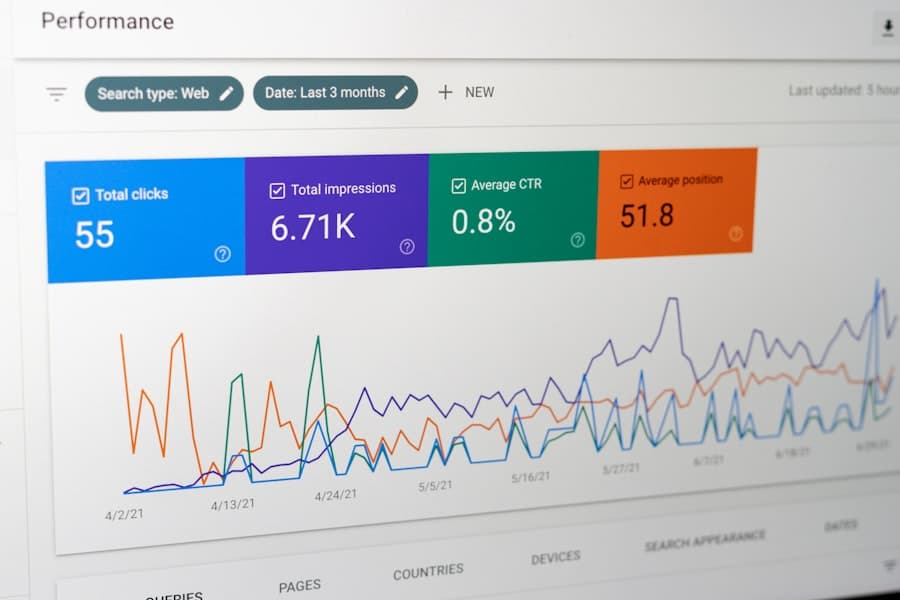
To truly understand the effectiveness of your SEO efforts, regular monitoring and analysis are essential. Utilize tools like Google Analytics and Google Search Console to track key performance indicators (KPIs) such as organic traffic, bounce rates, and conversion rates. These metrics provide valuable insights into how users interact with your site and which areas may need improvement.
By analyzing this data, you can identify trends over time and adjust your strategies accordingly. For instance, if you notice a particular piece of content driving significant traffic, consider creating more related content or optimizing it further for better performance. Conversely, if certain pages have high bounce rates, it may indicate that they need better optimization or more engaging content.
Continuous monitoring allows you to stay agile in your approach and make informed decisions that enhance your overall SEO strategy.
Staying Updated with SEO Trends and Algorithms
The world of SEO is ever-evolving, with search engines frequently updating their algorithms to improve user experience and deliver more relevant results. Staying informed about these changes is crucial for maintaining and improving your website’s ranking. Follow reputable SEO blogs, attend webinars, or participate in industry conferences to keep abreast of the latest trends and best practices.
Additionally, engage with online communities where SEO professionals share insights and experiences. Being part of these discussions can provide you with valuable knowledge about emerging trends or algorithm updates that could impact your strategy. Remember that SEO is not a one-time effort but an ongoing process that requires adaptation and learning.
By staying updated with industry changes, you position yourself for long-term success in the competitive digital landscape. In conclusion, mastering SEO involves a multifaceted approach that encompasses understanding keywords, creating quality content, optimizing website structure, building backlinks, leveraging social media, ensuring mobile optimization, monitoring performance, and staying updated with trends. By implementing these strategies diligently, you can enhance your online presence and drive meaningful traffic to your website over time.
If you are looking to improve your website’s SERP ranking, you may want to consider reaching out to a professional SEO company like First Coast SEO. They offer a variety of services to help boost your online visibility and drive more traffic to your site. In fact, they have a specific page dedicated to explaining the importance of SEO and how it can benefit your business. Check out their article on the topic here.