In today’s digital landscape, local SEO has emerged as a crucial component for businesses aiming to attract customers within their geographical vicinity. You may wonder why local SEO is so vital. The answer lies in the way consumers search for products and services.
When you need a quick bite to eat or a nearby mechanic, you likely turn to your smartphone or computer to find options in your area. This behavior underscores the importance of local SEO, which focuses on optimizing your online presence to ensure that your business appears prominently in local search results. Local SEO not only helps you reach potential customers but also enhances your visibility in a competitive market.
By optimizing your website and online listings for local searches, you can effectively connect with individuals who are actively seeking your services. This targeted approach not only increases foot traffic to your physical location but also boosts online engagement, leading to higher conversion rates. As you delve deeper into local SEO, you’ll discover that it’s not just about being found; it’s about being found by the right people at the right time.
Key Takeaways
- Local SEO is important for businesses to reach their target audience in specific geographic areas and improve their online visibility.
- Identifying local keywords and understanding the target audience’s search behavior is crucial for effective local SEO strategy.
- Optimizing website content, meta tags, and local business information is essential for local search ranking and visibility.
- Creating and managing local listings on platforms like Google My Business and Yelp can significantly impact local SEO performance.
- Online reviews and testimonials play a key role in building trust and credibility, and should be actively managed and leveraged for local SEO.
Identifying Local Keywords and Target Audience
To effectively harness the power of local SEO, you must first identify the keywords that resonate with your target audience. This process begins with understanding the specific terms and phrases that potential customers use when searching for services like yours. You might consider using tools such as Google Keyword Planner or SEMrush to uncover relevant local keywords.
Think about incorporating location-based terms into your keyword strategy, such as “best coffee shop in [your city]” or “affordable plumbing services near me.
Once you have a solid list of local keywords, it’s essential to define your target audience. Who are the individuals most likely to benefit from your products or services?
Consider factors such as age, gender, interests, and purchasing behavior. By creating detailed customer personas, you can better understand their motivations and preferences. This knowledge will not only inform your keyword strategy but also guide your content creation efforts, ensuring that you speak directly to the needs and desires of your local audience.
Optimizing Your Website for Local Search

With a clear understanding of local keywords and your target audience, the next step is to optimize your website for local search. Start by ensuring that your website is mobile-friendly, as many users conduct local searches on their smartphones. A responsive design will enhance user experience and improve your chances of ranking higher in search results.
Additionally, make sure that your website loads quickly; slow-loading pages can deter potential customers and negatively impact your search rankings. Incorporating local keywords into your website’s content is also crucial. You should strategically place these keywords in key areas such as page titles, meta descriptions, headers, and throughout the body of your content.
However, it’s important to maintain a natural flow; keyword stuffing can lead to penalties from search engines. Furthermore, consider creating dedicated landing pages for specific services or products that cater to local customers. This approach not only improves your chances of ranking for relevant searches but also provides valuable information to potential clients.
Creating and Managing Local Listings
| Local Listings Platform | Number of Listings | Accuracy | Reviews |
|---|---|---|---|
| Google My Business | 150 | 90% | 50 |
| Yelp | 100 | 85% | 30 |
| 80 | 95% | 20 |
Creating and managing local listings is another essential aspect of local SEO that you should prioritize. One of the most significant platforms for local listings is Google My Business (GMB). By claiming and optimizing your GMB profile, you can provide essential information about your business, including your address, phone number, hours of operation, and website link.
This information helps search engines understand your business better and improves your visibility in local search results. In addition to Google My Business, consider listing your business on other online directories such as Yelp, Bing Places, and Yellow Pages. Consistency is key when managing these listings; ensure that your business name, address, and phone number (NAP) are uniform across all platforms.
Inconsistent information can confuse potential customers and negatively impact your search rankings. Regularly updating your listings with new photos, posts, and customer interactions can also enhance engagement and improve your overall online presence.
Leveraging Online Reviews and Testimonials
Online reviews and testimonials play a pivotal role in shaping consumer perceptions and influencing purchasing decisions. As you work on enhancing your local SEO strategy, don’t underestimate the power of positive reviews. Encourage satisfied customers to leave reviews on platforms like Google My Business, Yelp, or Facebook.
These reviews not only build trust with potential clients but also signal to search engines that your business is reputable and worth ranking higher in search results. Responding to reviews—both positive and negative—is equally important. Engaging with customers shows that you value their feedback and are committed to providing excellent service.
When addressing negative reviews, maintain a professional tone and offer solutions where possible; this demonstrates your dedication to customer satisfaction. By actively managing your online reputation, you can create a positive image for your business that resonates with local consumers.
Utilizing Local Content and Social Media
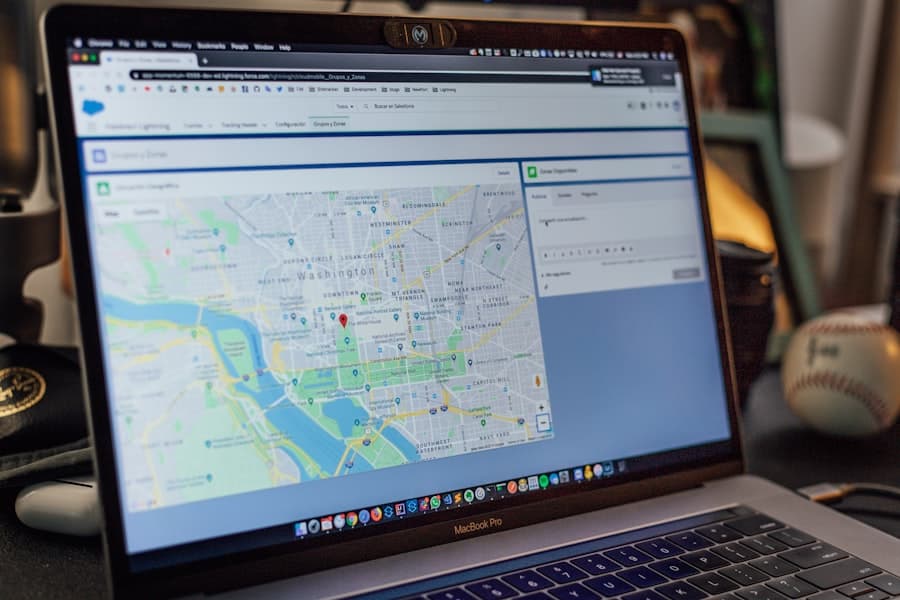
Creating localized content is an effective way to engage with your audience while boosting your local SEO efforts. Consider writing blog posts or articles that highlight local events, news, or community initiatives related to your industry. This not only positions you as an authority in your field but also attracts local traffic to your website.
Additionally, incorporating local keywords into this content will further enhance its visibility in search results. Social media platforms are another powerful tool for promoting local content and engaging with your community. Share updates about your business, post photos from local events, or highlight customer testimonials on platforms like Facebook, Instagram, or Twitter.
By fostering a sense of community through social media interactions, you can build brand loyalty and encourage word-of-mouth referrals. Remember to use location tags in your posts to increase visibility among local users who may be interested in what you have to offer.
Tracking and Analyzing Local SEO Performance
To ensure the effectiveness of your local SEO strategy, it’s essential to track and analyze its performance regularly. Utilize tools like Google Analytics and Google Search Console to monitor key metrics such as website traffic, bounce rates, and conversion rates.
Additionally, keep an eye on your rankings for targeted local keywords over time. If you notice fluctuations or declines in rankings, it may be time to reassess your strategy or make necessary adjustments. Regularly reviewing online reviews and customer feedback can also provide valuable insights into how well you’re meeting the needs of your audience.
By staying proactive in analyzing performance data, you can refine your approach and continue to enhance your local SEO efforts.
Staying Updated with Local SEO Trends and Best Practices
The world of SEO is constantly evolving, making it crucial for you to stay updated with the latest trends and best practices in local SEO. Search engines frequently update their algorithms, which can impact how businesses rank in search results. Following industry blogs, attending webinars, or participating in online forums can help you stay informed about changes that may affect your strategy.
Moreover, consider networking with other local businesses or joining industry associations to share insights and learn from others’ experiences. Engaging with professionals who are also focused on local SEO can provide fresh perspectives and innovative ideas that you may not have considered before. By remaining adaptable and open to new strategies, you can ensure that your business continues to thrive in an ever-changing digital landscape.
In conclusion, mastering local SEO is essential for businesses looking to connect with their community effectively. By understanding its importance, identifying relevant keywords, optimizing your website, managing listings, leveraging reviews, utilizing content and social media, tracking performance, and staying updated with trends, you can create a robust local SEO strategy that drives traffic and increases conversions. Embrace these practices as part of your ongoing efforts to enhance your online presence and foster meaningful connections with local customers.
If you are interested in learning more about local SEO, I recommend checking out the article on First Coast SEO’s website. They offer valuable insights and tips on how to improve your local search engine optimization strategy. You can read the article here.