In the digital landscape, organic search engine rankings play a pivotal role in determining the visibility and success of your online presence. When you consider that a significant portion of web traffic originates from search engines, it becomes clear that achieving high rankings is not merely a goal but a necessity. You want your website to appear on the first page of search results, as studies show that users are far more likely to click on links that appear at the top.
This visibility translates into increased traffic, which can lead to higher conversion rates and ultimately, greater revenue. Moreover, organic search results are often perceived as more trustworthy compared to paid advertisements. When users see your website listed among the top results, they are more inclined to believe that your content is relevant and credible.
This trust can significantly enhance your brand’s reputation and foster customer loyalty. By focusing on improving your organic search rankings, you are not just aiming for higher traffic; you are also building a foundation of trust and authority in your niche.
Key Takeaways
- Organic search engine rankings are crucial for driving traffic and visibility to your website.
- Keyword research and analysis are essential for understanding what your target audience is searching for.
- Creating high-quality, relevant content is key to attracting and engaging visitors to your site.
- Optimizing on-page elements such as title tags, meta descriptions, and headers can improve your site’s SEO.
- Building quality backlinks from reputable sources can improve your site’s authority and search engine rankings.
Conducting Keyword Research and Analysis
Keyword research is the cornerstone of any successful SEO strategy. It involves identifying the terms and phrases that potential customers use when searching for products or services similar to yours. To begin this process, you should utilize various tools such as Google Keyword Planner, SEMrush, or Ahrefs.
By understanding what your audience is searching for, you can tailor your content to meet their needs effectively. Once you have gathered a list of relevant keywords, it’s essential to analyze them further.
Look for long-tail keywords—phrases that are typically longer and more specific. These keywords may have lower search volumes but often yield higher conversion rates because they target users who are further along in the buying process. By incorporating these long-tail keywords into your content strategy, you can attract a more qualified audience that is genuinely interested in what you have to offer.
Creating High-Quality, Relevant Content
Creating high-quality content is crucial for improving your organic search rankings. Search engines prioritize content that provides value to users, so it’s essential to focus on delivering informative, engaging, and relevant material. Start by understanding your audience’s pain points and interests.
What questions do they have? What problems are they trying to solve? By addressing these issues in your content, you can establish yourself as an authority in your field while also meeting the needs of your audience.
In addition to being informative, your content should also be well-structured and easy to read. Use headings, bullet points, and images to break up large blocks of text and make your content more digestible. Incorporating multimedia elements such as videos or infographics can also enhance user engagement and keep visitors on your page longer.
Remember, the longer users stay on your site, the better it signals to search engines that your content is valuable.
Optimizing On-Page Elements for SEO
| On-Page Element | SEO Optimization |
|---|---|
| Title Tag | Include target keyword, keep it under 60 characters |
| Meta Description | Write compelling description with target keyword, under 160 characters |
| Heading Tags (H1, H2, H3) | Use keywords naturally, organize content with proper hierarchy |
| URL Structure | Include target keyword, keep it short and descriptive |
| Image Alt Text | Describe image with target keyword, improve accessibility |
On-page SEO refers to the various elements within your website that can be optimized to improve search engine rankings. One of the most critical aspects of on-page optimization is ensuring that your target keywords are strategically placed throughout your content. This includes incorporating keywords into titles, headings, meta descriptions, and image alt tags.
However, it’s important to maintain a natural flow in your writing; keyword stuffing can lead to penalties from search engines. Another vital component of on-page SEO is ensuring that your website is user-friendly. This means optimizing page load speeds, ensuring mobile responsiveness, and creating a clear navigation structure.
A well-optimized website not only enhances user experience but also encourages visitors to explore more pages on your site. The longer users stay engaged with your content, the more likely they are to convert into customers.
Building Quality Backlinks
Backlinks are an essential factor in determining your website’s authority and credibility in the eyes of search engines. When reputable sites link back to your content, it signals to search engines that your website is a trusted source of information. To build quality backlinks, you should focus on creating shareable content that others will want to link to.
This could include in-depth articles, research studies, or unique infographics. Additionally, consider reaching out to industry influencers or bloggers for guest posting opportunities. By contributing valuable content to their sites, you can gain exposure to new audiences while earning backlinks in return.
Networking within your industry can also lead to natural backlink opportunities as others recognize the value of your content and choose to link back to it.
Utilizing Local SEO Strategies

If you operate a local business, implementing local SEO strategies is crucial for attracting nearby customers. Start by optimizing your Google My Business listing with accurate information about your business hours, location, and services offered. Encourage satisfied customers to leave positive reviews, as these can significantly impact local search rankings.
In addition to optimizing your Google My Business profile, consider incorporating local keywords into your content strategy. For example, if you run a bakery in Austin, Texas, use phrases like “best bakery in Austin” or “Austin bakery near me” throughout your website. This will help you rank higher in local searches and connect with customers who are specifically looking for services in your area.
Monitoring and Analyzing Performance
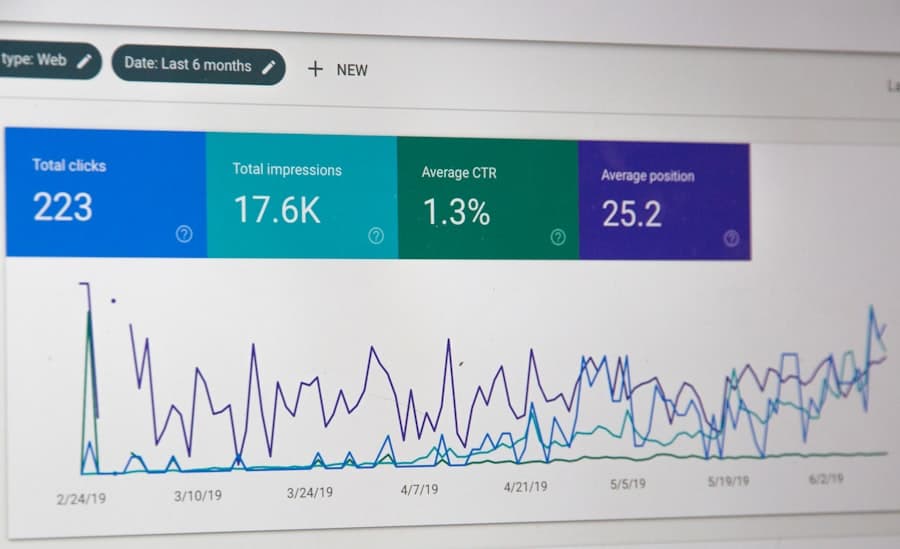
To ensure that your SEO efforts are paying off, it’s essential to monitor and analyze your website’s performance regularly. Utilize tools like Google Analytics and Google Search Console to track key metrics such as organic traffic, bounce rates, and conversion rates. By analyzing this data, you can identify which strategies are working and which areas need improvement.
Regular performance analysis allows you to make informed decisions about future content and optimization strategies. For instance, if you notice that certain keywords are driving significant traffic but not converting well, you may need to adjust your content or calls-to-action accordingly. Continuous monitoring ensures that you remain agile in adapting to changes in user behavior and search engine algorithms.
Staying Updated with SEO Best Practices and Algorithm Changes
The world of SEO is constantly evolving, with search engines frequently updating their algorithms to improve user experience. To stay ahead of the curve, it’s crucial for you to keep yourself informed about the latest best practices and algorithm changes. Follow reputable SEO blogs, attend webinars, and participate in online forums where industry experts share insights and strategies.
By staying updated with the latest trends and changes in SEO practices, you can ensure that your strategies remain effective over time. This proactive approach will not only help you maintain high organic search rankings but also position you as a knowledgeable player in the digital marketing landscape. Remember that SEO is not a one-time effort; it requires ongoing commitment and adaptation to achieve long-term success.
If you are looking to improve your organic search engine rankings, you may want to consider reaching out to First Coast SEO. They offer a variety of services aimed at boosting your online visibility and driving more traffic to your website. In fact, they have a specific page dedicated to explaining the importance of organic search engine optimization on their website. You can learn more about their approach to SEO by visiting this article.